Introduction to Jyotirlingas
The Jyotirlingas are among the most revered shrines in Hinduism. Each Jyotirlinga represents a radiant manifestation of Lord Shiva, where divine light is said to have appeared. Pilgrims travel from across India and the world to seek blessings, perform darshan, and experience spiritual renewal. A focused Jyotirlinga Pilgrimage Tour 2026 promises not only temple visits but moments of quiet devotion and cultural immersion. This guide respectfully outlines the 12 Jyotirlinga Temples in India, practical travel tips, and answers to common questions for those planning a Shiva Temple Tour India in 2026.
Somnath Temple — Gujarat
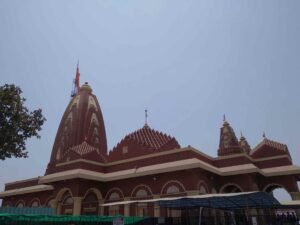
Somnath is the westernmost and one of the most historic Jyotirlingas. Rebuilt several times, the present Somnath Temple Gujarat Tour highlights a magnificent seaside complex overlooking the Arabian Sea. Devotees come for the serene aarti by the shore and to remember the temple’s resilience through centuries. Ideal time: cooler months and early mornings for darshan. Nearby: Girnar hills and cultural sites in Saurashtra.
Mallikarjuna Temple — Andhra Pradesh
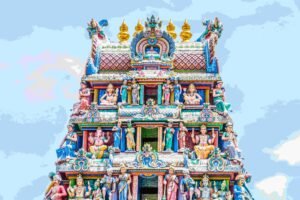
Located on Srisailam’s forested hill, the Mallikarjuna Temple blends nature and devotion. This Jyotirlinga in India 2026 is especially significant because it honors both Shiva (Mallikarjuna) and Parvati (Bhramaramba) — a rare example of combined Shakti and Shiva worship. The climb and the drive are part of the spiritual experience. Expect long queues during festival days; book a Jyotirlinga Darshan Package if you prefer guided logistics.
Mahakaleshwar Temple — Ujjain, MP
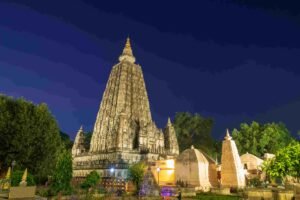
Mahakaleshwar is one of the most powerful and dynamic of the 12 Jyotirlinga Temples in India. The temple in Ujjain performs the famous Bhasma Aarti at dawn, where the deity is worshipped with sacred ash. The energy of this place is intense and transformational. For a focused Mahakaleshwar Jyotirlinga Tour, plan an early morning arrival, respect the temple guidelines, and dress modestly. Ujjain is also rich in classical pilgrimage sites and Vedic learning centers.
Omkareshwar Temple — MP
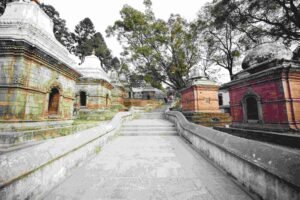
Omkareshwar sits on an island in the Narmada River whose shape resembles the sacred syllable Om. The setting is peaceful, with riverfront ghats and a compact temple complex. Pilgrims cherish the boat crossing and the rhythmic sounds of bells and conch shells. This Shiva Temple Tour India stop is quietly spiritual and lends itself to reflection by the water.
Kedarnath Temple — Uttarakhand

Kedarnath’s remote, high-altitude setting makes it one of the most memorable pilgrimages. The path to Kedarnath passes through dramatic Himalayan scenery. Built close to the Mandakini River and beneath soaring peaks, this Jyotirlinga in India 2026 is visited from spring to autumn when weather allows. Trekking portions require good fitness and time allowances. Many travelers opt for a guided Jyotirlinga Pilgrimage Tour 2026 that includes porters, guides, or helicopter options for a safer visit.
Bhimashankar Temple — Maharashtra
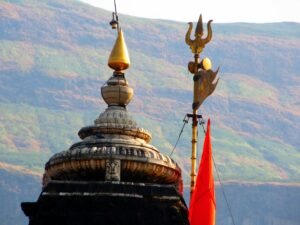
Set in dense Sahyadri forests, Bhimashankar combines wildlife, nature, and devotion. The trek to the temple is pleasant and shaded, offering sightings of the region’s flora and fauna. This Jyotirlinga also has an important place in Maharashtra’s spiritual life. If you choose a Shiva Temple Tour India itinerary that includes Bhimashankar, allow a day to stroll nearby trails and enjoy the tranquility after darshan.
Kashi Vishwanath Temple — Varanasi

Kashi Vishwanath in Varanasi is the heart of Shiva worship for millions. The temple’s presence on the ghats of the Ganges creates a constant flow of devotion, ritual, and life. Pilgrims perform rites along the river, attend aarti, and seek blessings at the Jyotirlinga inside the temple complex. Varanasi offers a layered spiritual experience — sakaal-to-sham rituals and the living tradition of moksha-seeking pilgrims.
Trimbakeshwar Temple — Nashik
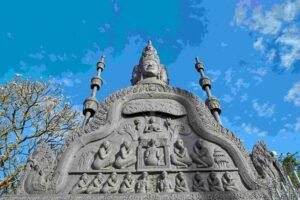
Trimbakeshwar near Nashik houses a unique Jyotirlinga with three faces of Shiva, symbolizing creation, preservation, and destruction. The temple is set at the source of the Godavari River, adding ritual significance for pilgrims performing water-based rites. This site is often part of a broader Shiva Temple Tour India route that includes nearby vineyards and pilgrimage circuits.
Vaidyanath Temple — Jharkhand

Vaidyanath (also called Baidyanath) in Deoghar, Jharkhand, is a major center of Shiva worship in eastern India. Many devotees visit during Shravan month, carrying kanwars and chanting bhajans. The temple’s reputation for healing draws sincere seekers. Travel planners often recommend joining a Jyotirlinga Darshan Package around festival times to navigate crowds and accommodations smoothly.
Nageshwar Temple — Gujarat
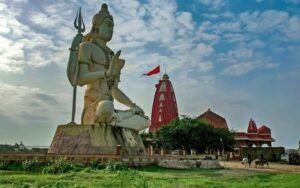
Nageshwar, near Dwarka in Gujarat, is another coastal Jyotirlinga with deep mythological roots. The temple’s tranquil seaside atmosphere is perfect for meditative pauses after darshan. Many visitors combine Somnath Temple Gujarat Tour and Nageshwar visits, creating a coastal pilgrimage that honors both the sea and Shiva’s eternal presence.
Rameshwaram Temple — Tamil Nadu
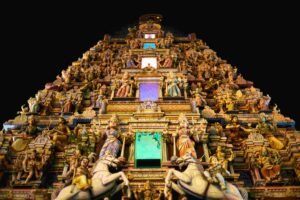
Rameshwaram’s connection to the Ramayana gives it a special place among the 12 Jyotirlinga Temples in India. The island temple complex and its sacred wells invite pilgrims to perform ablutions and rituals before approaching the jyotirlinga. Rameshwaram is also a gateway to southern devotional traditions, and its seafront setting enriches the pilgrimage experience.
Grishneshwar Temple — Aurangabad
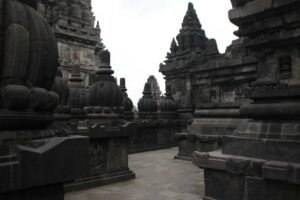
Grishneshwar is one of the smaller but deeply revered Jyotirlingas, located close to the famed Ajanta and Ellora caves. Pilgrims often combine a spiritually focused visit to Grishneshwar with cultural exploration of Aurangabad’s UNESCO sites. The temple’s compact layout makes for a focused darshan experience in a historically rich region.
Best Time to Visit
-
Coastal and plains temples: October to March for cooler, dry weather.
-
Himalayan temples (Kedarnath): May to October; winter months are closed or risky.
-
Monsoon considerations: Avoid heavy monsoon travel to forested or hill shrines unless experienced.
-
Festival peaks: Mahashivratri and Shravan month draw large crowds; book in advance for a Jyotirlinga Pilgrimage Tour 2026 or a Jyotirlinga Darshan Package.
Travel Tips for Pilgrimage
-
Plan routes: The 12 Jyotirlinga Temples in India are spread across the country; group nearby temples together to save time.
-
Respect local customs: Dress modestly, remove shoes, and follow temple photography rules.
-
Health and safety: Carry basic medicines, stay hydrated, and acclimatize for high-altitude sites like Kedarnath.
-
Book early for festivals: Use organized packages (Jyotirlinga Pilgrimage Tour 2026 or Jyotirlinga Darshan Package) to manage logistics and crowd access.
-
Local guides: Hire certified guides for historical context and smoother darshan, especially in large complex sites like Kashi Vishwanath and Somnath.
-
Accommodation: Choose pilgrim rest houses, dharamshalas, or verified hotels near temples to minimize travel time.
-
Travel light: Keep offerings simple — flowers, tulsi, bel leaves — and follow temple donation protocols.
-
Combine experiences: A Shiva Temple Tour India can be spiritual and cultural; include nearby heritage sites, rivers, and nature walks.
Final Thoughts
Visiting the 12 Jyotirlinga Temples is a profound spiritual journey. Each temple offers its own story, atmosphere, and lessons. Whether you seek healing, penance, knowledge, or simply devotional connection, a thoughtful Jyotirlinga Pilgrimage Tour 2026 can refresh the heart and mind. Approach each shrine with humility, prepare practically, and allow time for quiet reflection between darshans. This pilgrimage is not only about destinations but about the inner transformation that devotion and travel together can bring.
8 FAQs with answers
-
What are Jyotirlingas?
-
Jyotirlingas are sacred shrines where Lord Shiva manifested as a column of light. Devotees visit them seeking spiritual liberation and blessings.
-
How many Jyotirlingas are there?
-
Traditionally, there are 12 Jyotirlinga Temples in India, each with unique history and sanctity.
-
Can I visit all 12 in one trip?
-
It is possible but ambitious. Distances are large; many pilgrims plan regional circuits or multiple trips. A Jyotirlinga Darshan Package helps with logistics.
-
When is the best time for Kedarnath?
-
Kedarnath is accessible from May to October, weather permitting. Outside this window, the temple is closed or risky due to snow and landslides.
-
Do I need special permits for any Jyotirlinga?
-
No special religious permits are usually required; however, Himalayan sites may require trekking permits or restricted-area permissions. Check local rules before travel.
-
Are there dress codes at temples?
-
Yes. Modest, traditional clothing is recommended. Some temples restrict footwear, shorts, or sleeveless tops. Follow on-site instructions.
-
Can non-Hindus enter these temples?
-
Many Jyotirlingas welcome all sincere seekers, but some temples may have specific entry rules. Respect each temple’s customs and inquire at local counters.
-
How do I manage crowds during festivals?
-
Book accommodations and darshan slots early. Consider organized tours like a Shiva Temple Tour India or Jyotirlinga Pilgrimage Tour 2026 to smooth entry, transport, and timing.