India’s history becomes much more interesting when you step inside its old forts, walk through palace courtyards, or stand beneath stone carvings created hundreds of years ago. Reading about these places is one thing, but seeing them in person creates a completely different feeling. Every monument has its own personality. Some tell stories of powerful kings, some preserve religious traditions, while others quietly remind visitors how skilled Indian craftsmen were centuries ago.
This guide explores the Best Heritage Places in India for travelers who enjoy history, architecture, photography, and cultural experiences. Whether you are planning your first heritage holiday or adding another destination to your bucket list, these locations deserve your attention. Many of these monuments are also recognized among the most important Historical Places to Visit in India, making them ideal choices for cultural vacations.
Why Heritage Tourism in India is Worth Experiencing
India’s heritage is not limited to monuments alone. Every region has developed its own architectural style, local traditions, and historical identity. While Rajasthan is known for grand forts and royal palaces, Karnataka preserves the remains of a once-flourishing empire. Maharashtra showcases remarkable rock-cut caves, while Odisha and Madhya Pradesh reflect India’s spiritual and artistic achievements.
Exploring these places allows travelers to understand how different kingdoms, religions, and cultures shaped the country over many centuries.
Taj Mahal, Agra
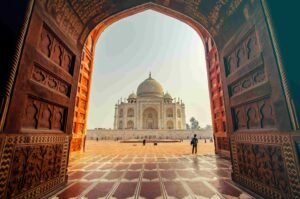
The Taj Mahal is one of those places that changes depending on the time of day. During sunrise the white marble reflects soft shades of pink, while late afternoon gives the monument a warmer glow.
Instead of rushing directly toward the main building, spend time walking through the gardens. The long pathways were carefully planned so visitors could admire the symmetry from different angles.
When standing close to the marble walls, look carefully at the floral decorations. They are not painted. Skilled artisans used colorful stones such as jade, lapis lazuli, onyx, and jasper to create detailed inlay work that still looks impressive today.
The monument represents Mughal architecture at its finest and continues to be one of the most admired Historical Places to Visit in India.
Amber Fort and City Palace, Jaipur
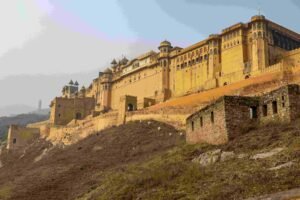
Jaipur presents two different sides of Rajput architecture.
Amber Fort was built for defense, yet many sections inside feel elegant rather than military. Walking through Suraj Pol, Ganesh Pol, and the beautiful courtyards gives visitors an idea of royal life centuries ago.
The Sheesh Mahal remains one of the most fascinating rooms inside the fort. Tiny mirror pieces cover the walls and ceiling in geometric patterns. Guides often demonstrate how a single flame could brighten the entire chamber because of these mirrors.
After Amber Fort, continue toward the City Palace.
The palace complex combines Rajput, Mughal, and European influences. Decorative gateways, painted ceilings, museums, and royal collections help visitors understand Jaipur’s long royal history.
These destinations remain among the Best Heritage Places in India for architecture lovers.
Khajuraho Temples, Madhya Pradesh
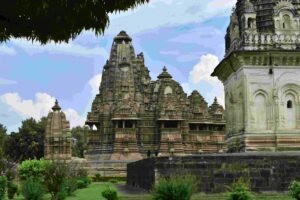
Khajuraho surprises many first-time visitors.
People usually arrive expecting famous sculptures, but leave talking about the extraordinary craftsmanship across the entire temple complex.
Every wall contains carvings showing dancers, musicians, teachers, warriors, animals, gods, and scenes from daily life.
Instead of looking only at the larger sculptures, notice the smaller decorative details around windows, pillars, and entrances. Even tiny carvings display remarkable precision despite being created nearly one thousand years ago.
Morning light creates beautiful shadows across the sandstone, making photography especially rewarding
Hampi, Karnataka
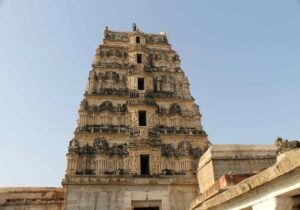
Hampi feels more like an ancient city than a collection of ruins.
Massive granite boulders surround temples, marketplaces, royal buildings, water tanks, and stone pathways.
Walking through the old market near Virupaksha Temple helps visitors imagine how traders once sold silk, spices, precious stones, and horses brought from distant kingdoms.
The Vittala Temple remains one of Hampi’s greatest attractions.
Its famous Stone Chariot attracts photographers from around the world, while the carved pillars demonstrate exceptional craftsmanship.
Hampi is one of the finest examples of India’s medieval urban planning and deserves at least two full days of exploration.
Ajanta and Ellora Caves
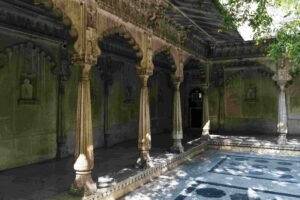
Unlike traditional buildings, these monuments were created by removing rock instead of assembling stones.
The Ajanta Caves contain Buddhist monasteries and prayer halls carved directly into the hillside. Ancient paintings still decorate several cave walls, revealing artistic techniques that survived for centuries.
Ellora presents something completely different.
Within one complex, visitors can explore Buddhist, Hindu, and Jain monuments standing close together.
The Kailasa Temple is especially remarkable because craftsmen carved the entire temple downward from a single rock formation rather than building it piece by piece.
Few places demonstrate engineering skill as effectively as these caves.
Qutub Minar and Red Fort, Delhi
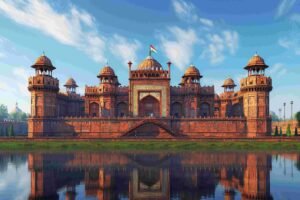
Delhi’s history stretches across several dynasties, and two monuments illustrate this perfectly.
The Qutub Minar rises above the surrounding archaeological complex with alternating bands of red sandstone and marble. Arabic inscriptions circle the tower, while nearby ruins reveal architectural transitions between different historical periods.
The Red Fort offers a different atmosphere.
Passing through Lahori Gate leads into wide courtyards, audience halls, royal apartments, and gardens. Although many original decorations have disappeared, the layout still reflects the grandeur of Mughal court life.
Together, they remain among the most important Historical Places to Visit in India.
Mysore Palace, Karnataka
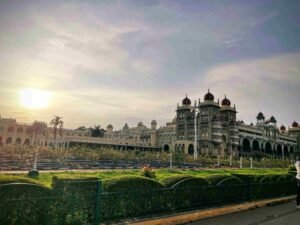
Mysore Palace feels alive even today.
Unlike many historic monuments that function only as museums, the palace still plays an important role during the annual Dasara celebrations.
Inside, visitors discover stained-glass ceilings, carved wooden doors, colorful pillars, and beautifully decorated halls.
The Durbar Hall is especially impressive because natural light enters through large windows, highlighting blue columns with golden detailing.
If possible, visit during the evening when thousands of lights illuminate the palace exterior.
The atmosphere becomes unforgettable.
Sanchi Stupa, Madhya Pradesh
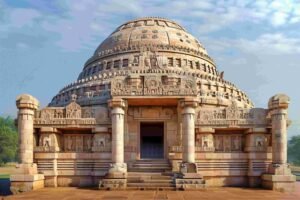
Sanchi offers a quieter experience compared to many famous tourist destinations.
The Great Stupa was originally commissioned during Emperor Ashoka’s reign and later expanded over several centuries.
The carved gateways deserve careful attention.
Instead of large statues, artists used symbols, animals, trees, and everyday scenes to represent important moments from Buddhist traditions.
Walking slowly around the monument provides a peaceful experience unlike any other heritage site.
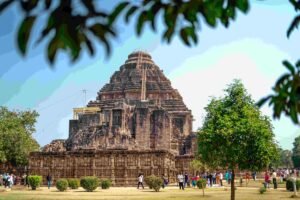
Konark Sun Temple, Odisha
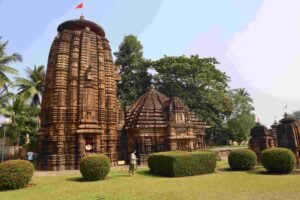
Konark Sun Temple reflects extraordinary imagination.
The temple was designed in the shape of a gigantic stone chariot with beautifully carved wheels and horses.
Each wheel contains detailed carvings that also function as ancient sundials.
The walls feature musicians, dancers, animals, floral decorations, and scenes from everyday life.
Although parts of the temple have been damaged over time, the remaining structures continue to demonstrate exceptional artistic achievement.
It remains one of India’s most celebrated UNESCO monuments.
Best Time to Visit Heritage Places
October to March offers the most comfortable weather for heritage tourism.
Winter mornings provide pleasant temperatures for long walks through forts and archaeological sites.
Summer afternoons can become extremely hot, particularly in Rajasthan, Delhi, and central India.
If possible, begin sightseeing early in the morning when monuments are quieter and photography conditions are excellent.
Heritage Tour Planning Tips
A heritage journey becomes far more enjoyable with thoughtful planning.
- Start sightseeing early to avoid crowds.
- Hire certified local guides for historical insights.
- Wear comfortable walking shoes.
- Carry water, sunscreen, and a hat.
- Respect photography rules inside monuments.
- Read a little history before visiting each destination.
- Spend more time at fewer monuments instead of rushing through many places.
- Support local artisans by purchasing authentic handicrafts.
Many travelers also choose customized heritage itineraries because they combine historical cities efficiently while reducing travel time.
Final Conclusion
India’s historic monuments are much more than beautiful buildings. They preserve stories of kings, craftsmen, artists, traders, monks, and ordinary people who shaped the country’s cultural identity across centuries. Exploring the Best Heritage Places in India allows travelers to appreciate architecture, history, and local traditions from many different perspectives.
From the marble elegance of the Taj Mahal and the royal grandeur of Jaipur to the peaceful surroundings of Sanchi and the remarkable carvings of Konark, every destination offers a unique experience. Whether you are interested in photography, archaeology, architecture, or cultural exploration, these remarkable Historical Places to Visit in India deserve a place on your travel itinerary.
If you are planning a heritage vacation, Nimantran India Tour can help you create a personalized itinerary covering India’s most iconic forts, palaces, temples, and UNESCO World Heritage Sites through nimantranindiatour.com.